



Detailed Introduction To Steel Structures
Jan 01, 2026
Leave a message
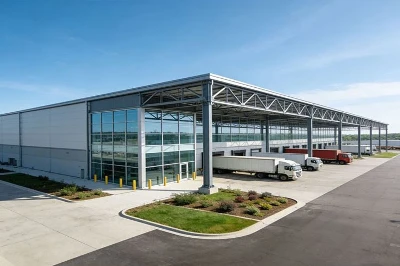
Steel structures are structures composed of steel materials and are one of the main types of building structures. The structure mainly consists of components such as steel beams, steel columns, and steel trusses made from structural steel and steel plates, and utilizes rust removal and anti-corrosion processes such as silanization, pure manganese phosphating, water washing and drying, and galvanizing. Components are typically connected by welds, bolts, or rivets. Due to their light weight and simple construction, they are widely used in large factories, stadiums, skyscrapers, and bridges. Steel structures are susceptible to corrosion, and generally require rust removal, galvanizing, or coating, and regular maintenance. During use, the steel must possess good mechanical properties and processing performance; materials such as Q235 carbon steel and 16Mn low-alloy steel meet these requirements. The durability of steel is affected by factors such as corrosion and high temperatures; protective measures include galvanizing and anodic protection.
The characteristics of steel include high strength, light weight, good overall rigidity, and strong resistance to deformation, making it particularly suitable for constructing large-span and ultra-high, ultra-heavy buildings; the material has good homogeneity and isotropy, and is an ideal elastic body, best conforming to the basic assumptions of general engineering mechanics; the material has good plasticity and toughness, allowing for large deformations and effectively withstanding dynamic loads; construction time is short; and it has a high degree of industrialization, allowing for highly mechanized and specialized production.
Research should focus on high-strength steel to significantly increase its yield strength; in addition, new types of structural steel should be rolled, such as H-beams (also known as wide-flange beams) and T-beams, as well as profiled steel plates, to meet the needs of large-span structures and skyscrapers.
There is also a thermal bridge-free light steel structure system. While the building itself is not energy-efficient, this technology cleverly solves the building's thermal bridge problem using special connectors; the small truss structure allows cables and water pipes to pass through the walls, making construction and decoration convenient.
Send Inquiry